



Introduction
Long before the rise of gleaming metropolises, the true masters of the Arabian Peninsula were the Bedouin, the nomadic tribes whose lives were a profound symphony of adaptation to the desert. Their existence was not a constant struggle against nature, but a deep, symbiotic partnership with it. The Bedouin way of life, honed over millennia, was a masterclass in survival, community, and environmental intelligence. Understanding this foundational culture is essential to grasping the underlying values of resilience, hospitality, and tribal loyalty that continue to shape the national character of the modern United Arab Emirates.
History
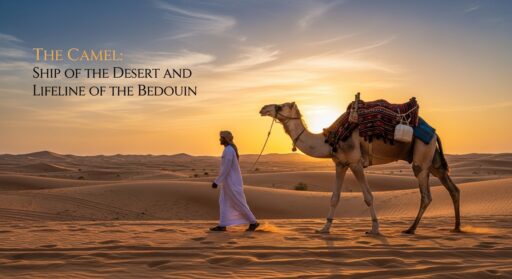
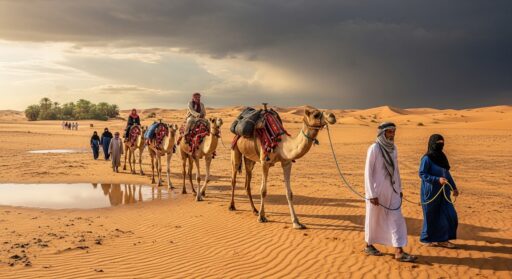
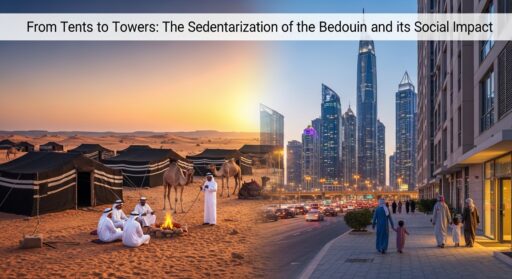
The Bedouin (from the Arabic badawi, meaning “desert dweller”) have inhabited the arid regions of the Arabian Peninsula for thousands of years. Their history is one of movement, dictated by the relentless search for water and grazing land for their herds of camels, goats, and sheep. Life was organized around strict tribal structures (qabila), which provided social identity, protection, and a framework for law and order. The harsh environment fostered a culture where knowledge of desert lore—reading animal tracks, navigating by the stars, and knowing the location of hidden wells—was more valuable than material wealth. This way of life remained largely unchanged until the mid-20th century, when the discovery of oil initiated a rapid and irreversible shift towards sedentarization.
Key Features
The Bedouin way of life was built on several interdependent pillars:
- Seasonal Migration (Rahala): Life followed an annual cycle of migration between seasonal pastures. Winters were spent in the interior desert, while summers saw tribes move towards coastal areas where the climate was milder and resources more varied.
- The Tent (Bait al-Sha’ar): The iconic black tent, woven from goat hair, was the quintessential Bedouin home. Its design was perfect for the environment: the woven fabric expanded when wet to provide waterproofing and contracted in the sun to provide shade and ventilation.
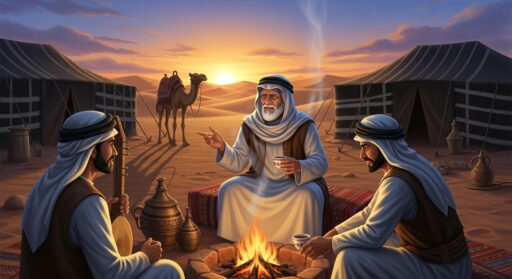
- Oral Tradition and Poetry: In a culture without a written tradition, poetry (nabati), storytelling, and genealogy were vital. They were the repositories of history, law, and social values, passed down through generations to preserve tribal identity and wisdom.
- Customary Law (Al Urf): Bedouin society was governed by a complex and sophisticated system of customary law that regulated everything from water rights and grazing territories to conflict resolution and blood money (diyah), ensuring order and justice in a stateless land.
Cultural Significance
The Bedouin ethos is the bedrock of Emirati identity. Their unwavering resilience in the face of adversity is reflected in the nation’s ambitious “nothing is impossible” spirit. The deep-seated value of hospitality (Al Dhiafa), born from the understanding that offering shelter and food to a stranger in the desert could be a matter of life or death, remains a defining national trait. The emphasis on family and tribal loyalty laid the groundwork for the strong social cohesion and respect for authority that underpin the UAE’s political stability today. The Bedouin did not conquer the desert; they learned its language and lived by its rules, a legacy of profound environmental respect.
Modern Relevance
While the traditional nomadic lifestyle has all but vanished, its principles are experiencing a powerful renaissance. The UAE’s focus on sustainability and water security, through initiatives like cloud seeding and advanced desalination, is a modern, technological extension of the Bedouin’s sacred relationship with water. The national passion for falconry and camel racing are direct links to this past, preserved as cherished cultural sports. Furthermore, the Bedouin skills of navigation and exploration find a new expression in the UAE’s ambitious space program. The “Hope Probe” mission to Mars is, in a philosophical sense, the ultimate desert crossing, driven by the same spirit of discovery that once guided caravans across the Empty Quarter.
Conclusion
The Bedouin were the original architects of survival in the landscape that would become the UAE. Their way of life was a brilliant, sustainable system that turned scarcity into a virtue and isolation into community. The skyscrapers of Abu Dhabi and Dubai may seem a world away from the black tents of the desert, but the spirit that built them is the same: one of resilience, foresight, and an unwavering belief in the future. The Bedouin legacy is not confined to heritage villages; it is alive in the ambition, the generosity, and the enduring strength of the Emirati people, serving as a perpetual reminder of the deep roots from which this modern nation grew.